
Generating 4K AI Videos with Seedance 2.0: Best Practices for Prompts and Parameters
Target Model:
seedance-2
Inference Endpoint:https://api.toapis.com/v1/videos/generations
Related: Seedance 2.0 Quickstart · 2.0 vs 2.5 Architecture
1. TL;DR & Performance Overview
- 4K Path: Cascaded DiT base (1080p motion) + integrated temporal neural upscaler → 3840×2160.
- Client Timeout: Raise poll budget to ~240 seconds when
resolution: "4k". - Economics: ~1.5× compute multiplier vs 1080p-class rates on ToAPIs.
- Vertical:
aspect_ratio: "9:16"yields native 2160×3840. - Protocol: OpenAI-compatible Bearer REST via ToAPIs.
2. The Challenge of 4K Diffusion Video
Generating 4K (over 8.2 million pixels per frame) entirely in latent space is too expensive for interactive APIs. Seedance 2.0 uses a two-stage cascade:
- Base latent generation — DiT synthesizes temporal motion at native 1080p.
- Integrated neural super-resolution — a temporal upscaler restores high-frequency detail (hair, foliage, reflections, edges) to 3840×2160 before MP4 encode.
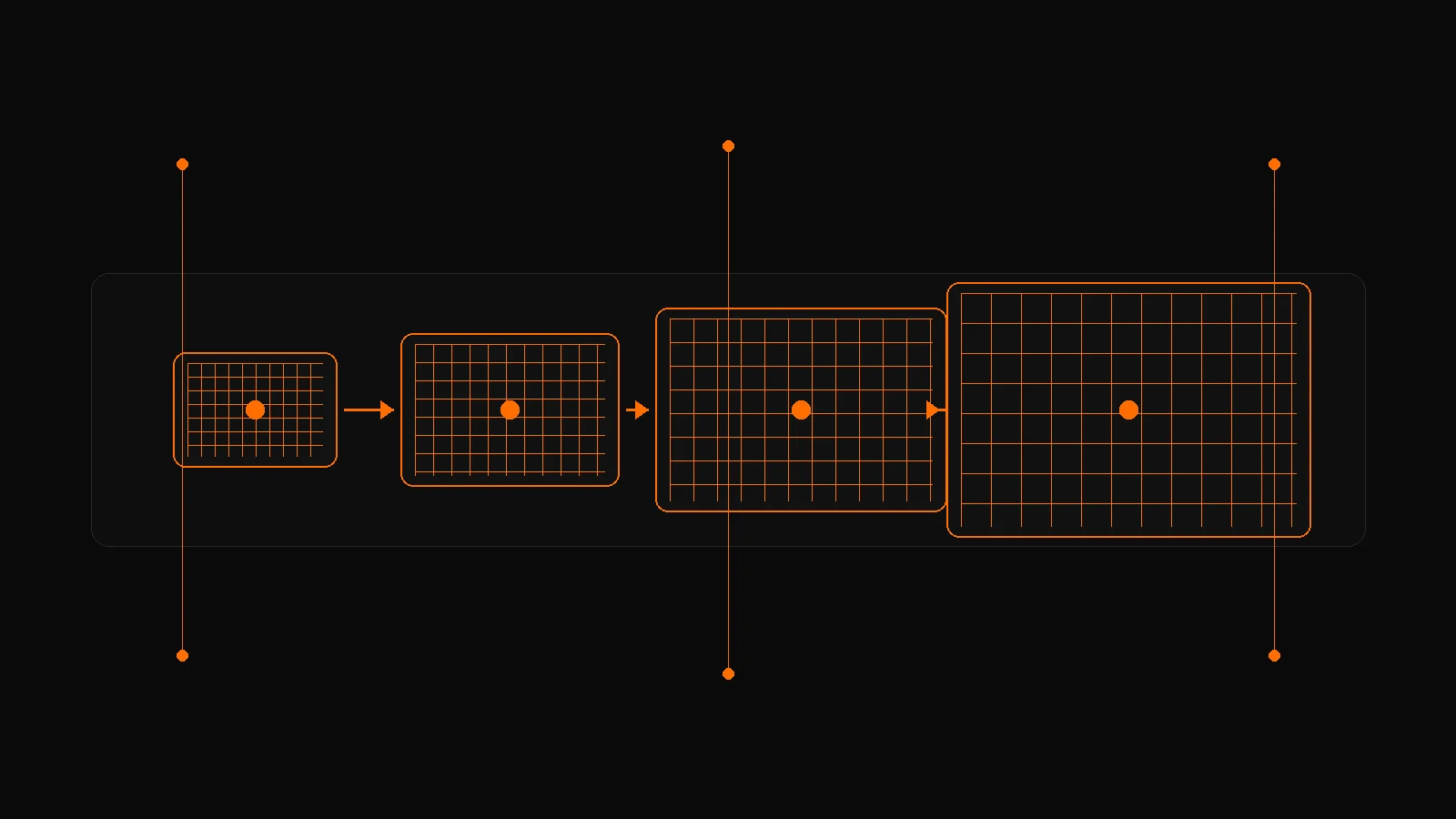
Figure 1: Cascaded resolution pipeline from base latent frames to 4K encode — no external Topaz/ESRGAN required for most production paths.
Prompt tip: append optical cues such as 8k uhd, photorealistic, cinematic 35mm film grain, anamorphic lens flare after the subject description. Keep camera verbs explicit (slow dolly-in, orbit, crane up).
3. Production Implementation: cURL & Python
Step 1: cURL 4K submit
curl -X POST https://api.toapis.com/v1/videos/generations \
  -H "Authorization: Bearer $TOAPIS_API_KEY" \
  -H "Content-Type: application/json" \
  -d '{
    "model": "seedance-2",
    "prompt": "Luxury yacht on turquoise Amalfi water at sunset, 8k uhd, cinematic 35mm",
    "resolution": "4k",
    "aspect_ratio": "16:9",
    "duration": 5,
    "fps": 30
  }'
Step 2: Python poller with 240s budget
import os
import time
import requests

API_KEY = os.getenv("TOAPIS_API_KEY")
ENDPOINT = "https://api.toapis.com/v1/videos/generations"

def generate_4k_cinematic_clip(prompt: str, duration: int = 5) -> str:
    headers = {
        "Authorization": f"Bearer {API_KEY}",
        "Content-Type": "application/json",
    }
    payload = {
        "model": "seedance-2",
        "prompt": f"{prompt}, 8k uhd, photorealistic, cinematic 35mm film grain, anamorphic lens flare",
        "resolution": "4k",
        "aspect_ratio": "16:9",
        "duration": duration,
        "fps": 30,
    }
    print("[*] Submitting 4K generation task to ToAPIs...")
    resp = requests.post(ENDPOINT, headers=headers, json=payload, timeout=30)
    resp.raise_for_status()
    task_id = resp.json()["task_id"]
    print(f"[+] Task created! Task ID: {task_id}")

    poll_endpoint = f"https://api.toapis.com/v1/videos/tasks/{task_id}"
    start_time = time.time()
    while time.time() - start_time < 240:
        time.sleep(5)
        poll_res = requests.get(poll_endpoint, headers=headers, timeout=15)
        status_data = poll_res.json()
        status = status_data.get("status")
        elapsed = int(time.time() - start_time)
        print(f"[{elapsed}s] Task Status: {status} (Progress: {status_data.get('progress', 0)}%)")
        if status == "succeeded":
            return status_data["video_url"]
        if status == "failed":
            raise RuntimeError(f"Generation failed: {status_data.get('error')}")
    raise TimeoutError("4K generation exceeded maximum timeout (240s)")

if __name__ == "__main__":
    prompt = "A sleek luxury yacht sailing through crystal turquoise waters in Amalfi Coast, sunset golden reflections"
    video_url = generate_4k_cinematic_clip(prompt, duration=5)
    print(f"\n[✔] 4K Video Render Complete! CDN Link:\n{video_url}")
Persist the returned CDN URL or download the MP4 immediately; task artifacts may expire from temporary storage.
4. Error Handling & Status Matrix
| HTTP Code | Classification | Root Cause | Mitigation |
|---|---|---|---|
400 Bad Request | invalid_request_payload | Bad resolution / aspect combo | Use documented 4k + aspect_ratio pairs |
401 Unauthorized | invalid_api_key | Bad Bearer token | Rotate key in dashboard |
429 Rate Limit | rate_limit_exceeded | Pool concurrency | Backoff with jitter; queue locally |
500 / 504 | gateway_timeout | Upscaler queue depth | Retry; gateway fails over clusters |
5. Pricing & FinOps ROI
- 4K ≈ 1.5× vs 1080p-class Seedance 2.0 rates on ToAPIs (~$0.042/s vs ~$0.028/s).
- Official enterprise contracts often add annual minimums; ToAPIs stays pay-as-you-go.
- Example: 1,000 × 10s 4K clips = 10,000s → plan budget with the 1.5× multiplier and wholesale discount.
6. Frequently Asked Questions
See frontmatter FAQ. Key points: vertical 4K is first-class, timeouts should be 240s, and external upscalers are optional.
7. Action Checklist
- Register at toapis.com/register.
- Submit one 4K job via cURL; confirm CDN URL.
- Adopt the 240s Python poller in CI/staging.
- Compare model tiers in architecture guide and pricing.