








Wan 3.0 Prime vs Wan 2.6 Flash: Generation Speed, Frame Fidelity, and Cost
Target Models:
wan3.0-video-prime·wan2.6-flash
Inference Endpoint:https://api.toapis.com/v1/videos/generations
Related: Wan 3.0 Video API quickstart · Kling Video O1 long-form continuity · Wan 3.0 reference · Wan 2.6 Flash reference · wan3.0-video-prime model guide · wan2.6-flash model guide
1. TL;DR & Performance Overview
- Catalog first: Planning drafts sometimes write
wan-3-primeandwan-2-6-flash. Those strings are not the documented public IDs. A 2026-11-20 check of the official generation references and model-guide pages (HTTP 200) listswan3.0-video-primeandwan2.6-flash. Prime shares the Wan 3.0 All-in-One schema withwan3.0-video; Flash has a separate reference. - Same gateway, different contracts: Both IDs submit to
POST /v1/videos/generationsand are polled withGET /v1/videos/generations/{id}. Ordinary tasks may also be queried withGET /v1/tasks/{id}. Official examples usehttps://toapis.com(andhttps://toapis.cnfor mainland China). Other guides in this series usehttps://api.toapis.com. Pick one origin and keep it consistent. - Capability split: Prime covers text-to-video, first/last frames, multimodal references, file or link, and video editing, with a 2–30 second window (or
-1). Flash is an image-to-video and reference-video (r2v) model only: prompt-only requests error, and duration is 5, 10, or 15 seconds. - Speed and cost: The Flash page describes faster generation and publishes a CNY per-second table. Model-guide snapshots listed 41.14 credits / second for Prime and 6 credits / second for Flash. Official pages do not publish measured latency or a percentage saving.
- Unverified claims to drop: Draft figures such as
$0.014/s,$0.070per 5 seconds, “53% savings,” “sub-35s,” or “~14s vs ~36s” are not current ToAPIs documentation.
2. Documented IDs and Capability Comparison
Use the public model name in the model field. Do not substitute a draft alias, a hyphenation variant, or a mode flag.
| Catalog ID | Role in this comparison | Documented jobs |
|---|---|---|
wan3.0-video-prime | Prime / higher-tier All-in-One ID | Same schema as wan3.0-video: text-to-video, first/last frames, multimodal references, file or link, edit and extend |
wan3.0-video | Standard Wan 3.0 ID on the same schema | Use it when you want the standard All-in-One SKU; see the Wan 3.0 quickstart |
wan2.6-flash | Accelerated image-to-video and r2v ID | Routes to i2v-flash or r2v-flash from image_urls or metadata.reference_urls. No text-only path |
wan2.6 | Related non-flash Wan 2.6 ID | Text-to-video, image-to-video, and reference video, with audio included by default and a different parameter map |
Side-by-side fields that matter for routing and fidelity (not a latency table):
| Topic | wan3.0-video-prime | wan2.6-flash |
|---|---|---|
| Text-to-video | Yes (prompt only) | No — prompt-only requests error |
| Image or first/last frames | image_with_roles (first_frame, last_frame); last requires first | image_urls — one image; cannot combine with metadata.reference_urls |
| Reference video | video_list up to 5 clips, total ≤15s, combinable with reference images and audio | metadata.reference_urls routes to r2v-flash; cannot combine with image_urls |
| Other references | Reference audio, one file, or one web link; first/last-frame mode is exclusive of all of these | Not documented on the Flash generation page |
| Duration | 2–30 seconds, or -1 smart duration (default 5) | 5, 10, or 15 seconds (default 5) |
| Resolution | 480p, 720p, 1080p (default 1080p) | 720p or 1080p (default 1080p); 480p is not listed |
| Audio | Boolean, default true | Boolean, default true; audio and silent jobs are billed at different rates |
| Aspect / ratio | ratio (adaptive, 16:9, 9:16, 1:1, 4:3, 3:4); do not also send aspect_ratio | The Flash generation examples do not document an aspect-ratio field the way wan2.6 does |
| Editing / extend | Prompt-classified edit and extend; edit needs ratio=adaptive, duration=-1, 4–30s source | Not documented as a Wan 3.0-style edit path |
| Speed language | No published turnaround | Official page: “Faster generation speed — ideal for quick previews and iteration” |
Media must be public http:// or https:// URLs on both contracts. Do not send base64. Flash explicitly says base64 is no longer supported in image_urls.
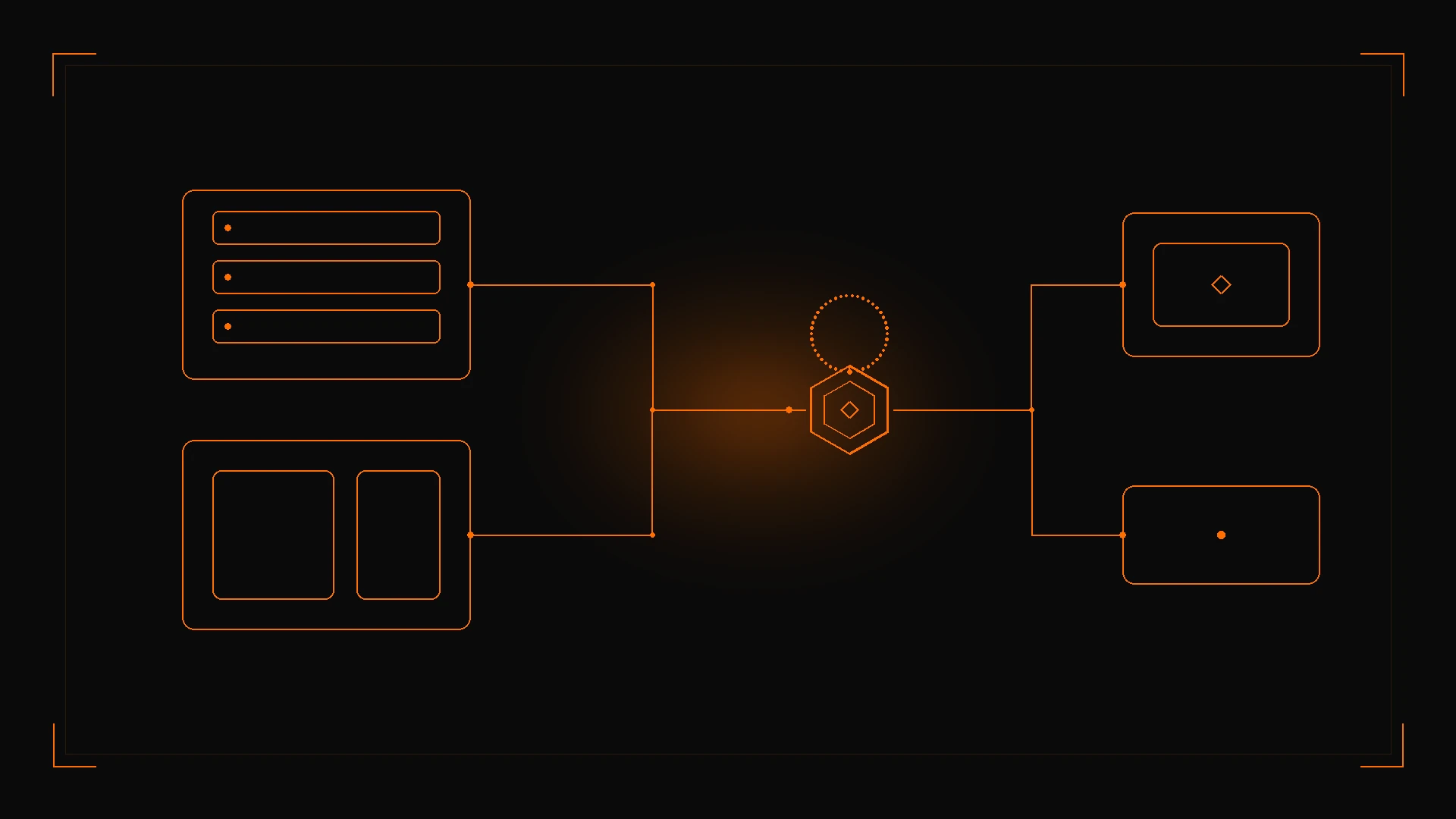
Figure 1: Prime and Flash share POST /v1/videos/generations, but the documented input families and duration windows differ — choose the ID that matches the job, then poll the same task id.
If you need Wan 3.0's standard SKU rather than Prime, start with the quickstart. For a non-flash Wan 2.6 text-to-video path, use wan2.6 and its own generation reference.
3. Production Implementation: cURL & Python
International examples in this series use https://api.toapis.com. Official docs tell mainland China users to use https://toapis.cn. Keep one origin per environment.
Step 1: cURL for a Prime text-to-video job and a Flash image-to-video job
# Prime — text-to-video is documented
curl --request POST \
  --url https://api.toapis.com/v1/videos/generations \
  --header "Authorization: Bearer $TOAPIS_API_KEY" \
  --header "Content-Type: application/json" \
  --data '{
    "model": "wan3.0-video-prime",
    "prompt": "An orange cat running through the streets of Tokyo after rain, cinematic camera work",
    "duration": 5,
    "ratio": "16:9",
    "resolution": "1080p",
    "audio": true
  }'

# Flash — image_urls or metadata.reference_urls is required
curl --request POST \
  --url https://api.toapis.com/v1/videos/generations \
  --header "Authorization: Bearer $TOAPIS_API_KEY" \
  --header "Content-Type: application/json" \
  --data '{
    "model": "wan2.6-flash",
    "image_urls": ["https://example.com/photo.jpg"],
    "prompt": "The person comes alive and smiles",
    "resolution": "1080p",
    "duration": 5,
    "audio": true
  }'
Step 2: Python helper that refuses illegal combinations
The snippet follows the documented task-status path and the queued / in_progress / completed / failed statuses. Confirm id, result.data[0].url, and the envelope against the API reference for your account before you ship.
import os
import time
import requests

API_KEY = os.environ["TOAPIS_API_KEY"]
BASE = "https://api.toapis.com"
ENDPOINT = f"{BASE}/v1/videos/generations"
HEADERS = {
    "Authorization": f"Bearer {API_KEY}",
    "Content-Type": "application/json",
}

PRIME_ID = "wan3.0-video-prime"
FLASH_ID = "wan2.6-flash"


def dispatch_compared_model(
    model: str,
    prompt: str | None = None,
    *,
    duration: int = 5,
    resolution: str = "1080p",
    audio: bool = True,
    ratio: str | None = None,
    image_urls: list[str] | None = None,
    reference_urls: list[str] | None = None,
    image_with_roles: list[dict] | None = None,
) -> str:
    if model not in {PRIME_ID, FLASH_ID}:
        raise ValueError("Send wan3.0-video-prime or wan2.6-flash; draft aliases are not documented IDs")
    if model == FLASH_ID:
        if duration not in {5, 10, 15}:
            raise ValueError("wan2.6-flash duration must be 5, 10, or 15")
        if resolution not in {"720p", "1080p"}:
            raise ValueError("wan2.6-flash resolution must be 720p or 1080p")
        if image_urls and reference_urls:
            raise ValueError("Flash cannot combine image_urls with metadata.reference_urls")
        if not image_urls and not reference_urls:
            raise ValueError("wan2.6-flash does not support text-only generation")
        if image_urls and len(image_urls) != 1:
            raise ValueError("Flash image_urls supports exactly one image")
        payload = {
            "model": FLASH_ID,
            "resolution": resolution,
            "duration": duration,
            "audio": audio,
        }
        if prompt:
            payload["prompt"] = prompt
        if image_urls:
            payload["image_urls"] = image_urls
        if reference_urls:
            payload["metadata"] = {"reference_urls": reference_urls}
    else:
        if duration != -1 and duration not in range(2, 31):
            raise ValueError("Prime duration must be 2–30 or -1")
        if resolution not in {"480p", "720p", "1080p"}:
            raise ValueError("Prime resolution must be 480p, 720p, or 1080p")
        payload = {
            "model": PRIME_ID,
            "duration": duration,
            "resolution": resolution,
            "audio": audio,
            "ratio": ratio or "16:9",
        }
        if prompt:
            payload["prompt"] = prompt
        if image_with_roles:
            payload["image_with_roles"] = image_with_roles
    res = requests.post(ENDPOINT, headers=HEADERS, json=payload, timeout=30)
    res.raise_for_status()
    data = res.json()
    task_id = data.get("id") or data.get("task_id")
    if not task_id:
        raise RuntimeError(f"Unexpected submission envelope: {data}")
    return task_id


def poll_task(task_id: str, deadline_s: int = 900) -> str:
    poll_url = f"{BASE}/v1/videos/generations/{task_id}"
    interval = 10.0
    start = time.time()
    time.sleep(5)
    while time.time() - start < deadline_s:
        poll = requests.get(poll_url, headers=HEADERS, timeout=15)
        if poll.status_code == 429:
            retry_after = poll.headers.get("Retry-After")
            time.sleep(float(retry_after) if retry_after else min(interval * 2, 120))
            continue
        poll.raise_for_status()
        data = poll.json()
        status = data.get("status")
        if status == "completed":
            return data["result"]["data"][0]["url"]
        if status == "failed":
            raise RuntimeError(f"Generation failed: {data.get('error')}")
        time.sleep(interval)
        interval = min(interval * 1.5, 30.0)
    raise TimeoutError(f"Task {task_id} exceeded {deadline_s}s; check status before retrying")


if __name__ == "__main__":
    flash_id = dispatch_compared_model(
        FLASH_ID,
        "The person comes alive and smiles",
        image_urls=["https://example.com/photo.jpg"],
        duration=5,
        resolution="720p",
        audio=False,
    )
    print("Flash task:", flash_id)
    print("Flash video:", poll_task(flash_id))
Do not put a wall-clock timer around these calls and publish the result as a vendor benchmark. Official pages did not provide one. Download the file before expires_at; the status reference documents a 30-day retention window.
4. Error Handling & Status Matrix
The categories below are diagnostic starting points, not a guarantee of exact ToAPIs error codes. A successful HTTP query still requires you to read task status. See the error reference for request errors versus status: failed reasons such as content_policy_rejected, insufficient_user_balance, generation_timeout, or video_edit_parameters_required.
| HTTP or task state | Common category | Recommended action |
|---|---|---|
400 | Flash prompt-only request, mixed Flash image_urls and reference_urls, Prime first/last frames mixed with reference assets, or an undocumented duration | Confirm the documented ID and the exclusive field family for that model |
401 | Missing or invalid API key | Rotate the key in the ToAPIs dashboard and confirm the Authorization: Bearer header |
429 | Rate or concurrency limit | Honor Retry-After when present; back off with jitter; retry only when safe |
5xx or client timeout | Temporary gateway or upstream issue | Query the existing task id before resubmitting — a timeout is not a speed benchmark and is not proof of failure |
status: queued or in_progress | Not an error | Wait and poll again; do not treat in-flight time as a published SLA |
status: failed | Generation did not succeed | Read error.code and error.message (and error.reason when present). Do not retry an unchanged policy-rejected payload |
5. Pricing & FinOps ROI
Quote official snapshots, then confirm the live account catalog. Do not invent a percentage saving from draft arithmetic.
Wan 2.6 Flash — from the official English generation reference fetched on 2026-11-20 (“Audio vs Silent Pricing”):
| Mode | 720p unit price | 1080p unit price |
|---|---|---|
With audio (audio: true) | ¥0.3 / second | ¥0.5 / second |
Silent (audio: false) | ¥0.15 / second | ¥0.25 / second |
The same page notes that different resolutions have different prices and refers readers to the model marketplace. The wan2.6-flash model-guide page on the same day showed a pricing reference of 6 credits / second and stated that final billing follows the current account quote.
Wan 3.0 Prime — the Wan 3.0 generation reference does not publish a currency table. The wan3.0-video-prime model-guide page on 2026-11-20 showed a pricing reference of 41.14 credits / second, with final billing following the current account quote and current duration and resolution rules. The standard All-in-One ID wan3.0-video showed 26.3 credits / second on the same day. Those credit figures are snapshots and are not broken out by resolution on the model-guide page.
Treat CNY and credit figures as snapshots; they may change. Do not convert credits to currency yourself, and do not reuse planning-draft USD rates.
- Match the ID to the job, then compare cost on equal work. A 5-second silent 720p Flash preview is not the same SKU as a 20-second 1080p Prime text-to-video render. Compare like-for-like duration, resolution, and audio settings in your catalog.
- Flash audio is a documented cost lever. The official table doubles the listed CNY unit price when
audiois true versus silent, at both 720p and 1080p. That is a contract statement, not a measured quality claim. - A display price is not a channel guarantee. Confirm both IDs with
GET /v1/models?type=videoand the live quote before you forecast a batch.
6. Frequently Asked Questions
See the FAQ block in frontmatter. Summary: send wan3.0-video-prime and wan2.6-flash, not the draft aliases; Flash cannot do text-only generation; duration and resolution windows differ; official pages describe Flash as faster but do not publish latency numbers; quote the Flash CNY table and the model-guide credit snapshots, then confirm your account catalog.
7. Action Checklist
- Create a key on the ToAPIs Developer Portal.
- Confirm
wan3.0-video-primeandwan2.6-flashappear for your key viaGET /v1/models?type=video— do not sendwan-3-primeorwan-2-6-flash. - Smoke-test Prime with a 5-second text-to-video request, and Flash with a single public
image_urlsentry (tryaudio: falseat 720p if you are checking the silent SKU). - Poll
GET /v1/videos/generations/{id}with a bounded deadline, and download the result beforeexpires_at. - Next: the Wan 3.0 quickstart for All-in-One parameters, the Prime and Flash model guides for live catalog status, and the Kling Video O1 continuity guide if you are chaining short documented segments instead.